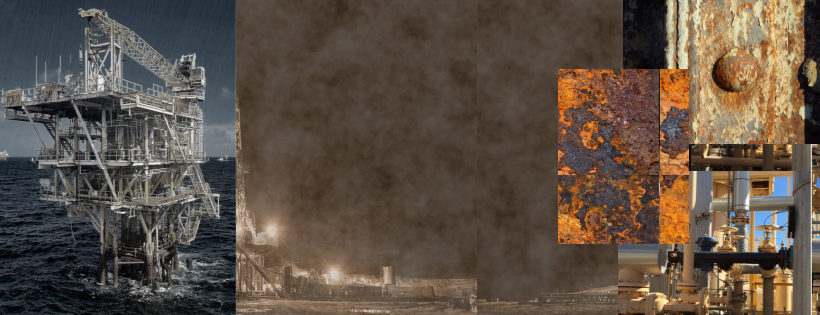
CO₂ / H₂S Corrosion
Carbon dioxide (CO₂) corrosion, commonly referred to as sweet corrosion, is driven by CO₂ and involves the formation of carbonic acid upon contact with water. It is frequently encountered in oil and gas production and transmission systems and can occur simultaneously with the presence of hydrogen sulfide (H₂S). Individually, these acid gases, when dissolved in water, can initiate corrosion reactions on metal surfaces, leading to material degradation over time. However, the combined effect of CO₂/H₂S corrosion is far more complex and still poses significant risks to pipeline and equipment integrity, potentially leading to leaks, unplanned shutdowns, safety incidents, environmental impact, and costly repairs. Therefore, effective corrosion management strategies including proper corrosion modelling followed by material selection, chemical inhibition etc. are essential to maintaining safe and efficient oil and gas operations.